Working with a new soil-digging insect
Subterranean Creatures and Monuments
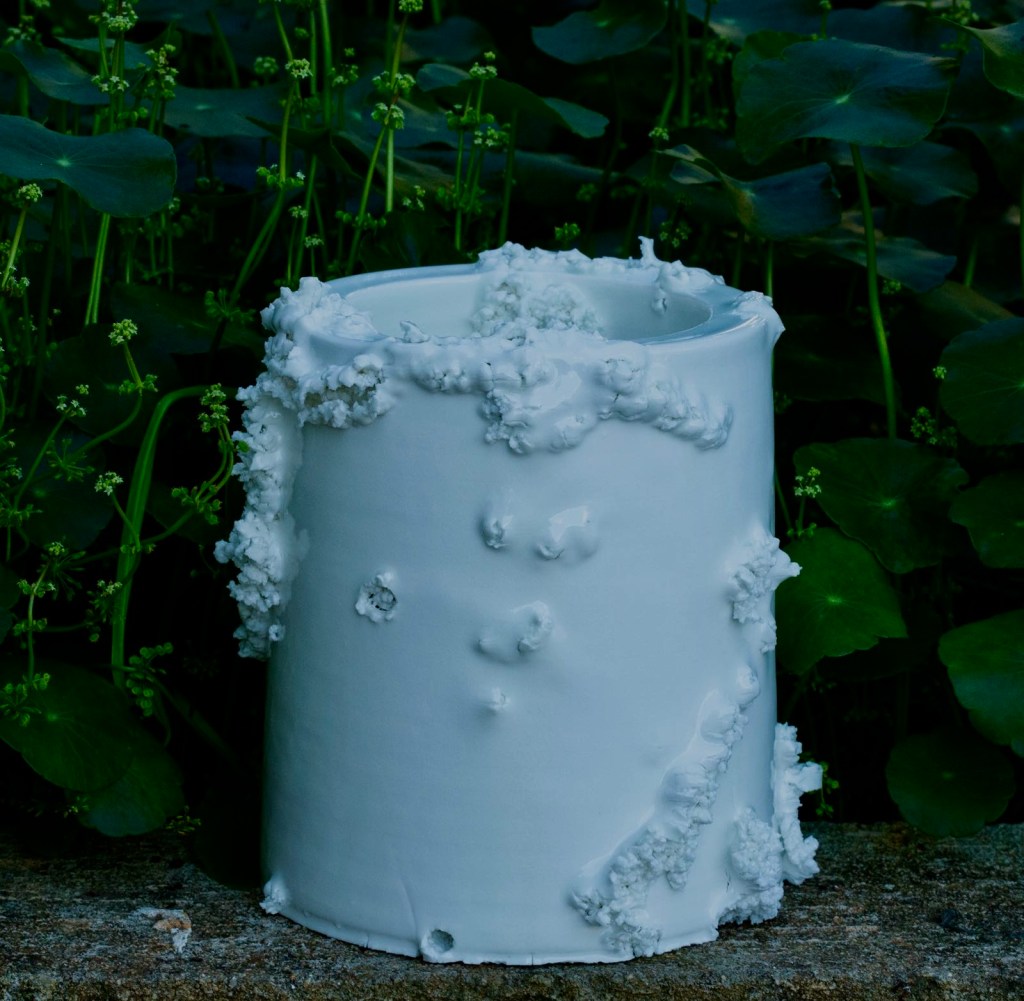
Our new series of insect ceramics (more to come)
Working with fire ants (Solenopsis invicta)
Civilization Writing
Are humans the sole species capable of leaving a lasting impact?
Ants meticulously dig, build, and pave, representing an inherent drive to leave a mark in the world. This reflection harks us back to the dawn of human civilization when people etched their thoughts into slates, tortoise shells, and ropes, giving rise to the magnificent tapestry of human history.
What imprints do ants create as they interact with materials, and how did their unique civilization commence?
Escape
Escaping hardship is a basic animal instinct.
Within this series of work, it is the worker ants who take the lead in creation wielding paint. Their tireless efforts reflect the unwavering dedication of these industrious individuals who, although frequently overlooked, collectively contribute to shaping the frabic of modern society.
In the backdrop of both prosperity and adversity, each tableau unfolds; within the details of these scenes, we uncover silent struggles of innumerable nameless workers.
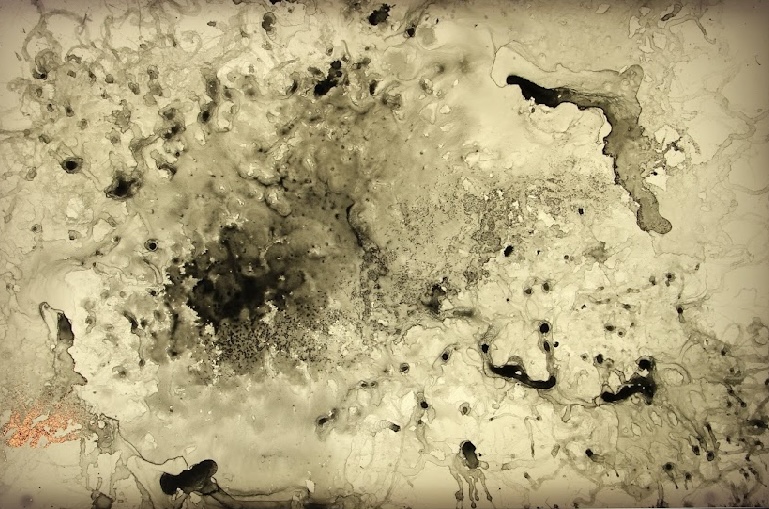
Struggle & Lanscape
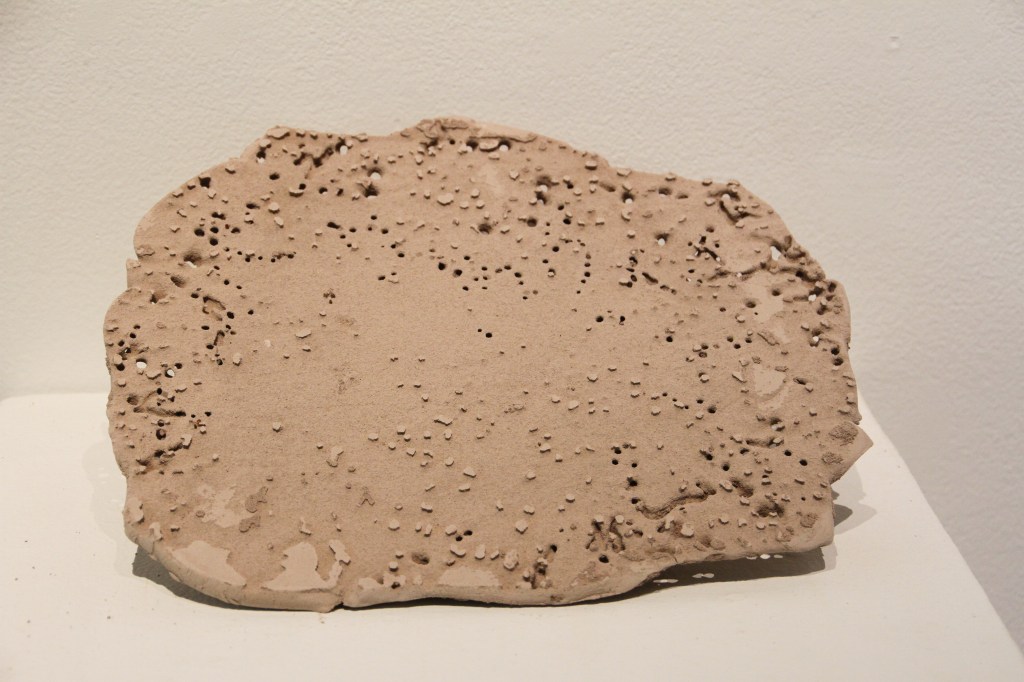
We provide ants with clay blocks that are approximately 10cm tall as raw materials, and allow they to freely embark on architectural endeavors.
We affectionately refer to them as “sculptures” and “architectures.”
What astonishes us is their autonomous choice in architectural styles when presented with different clay blocks, prompting us to ponder: Is civilization a unique facet of the human experience?
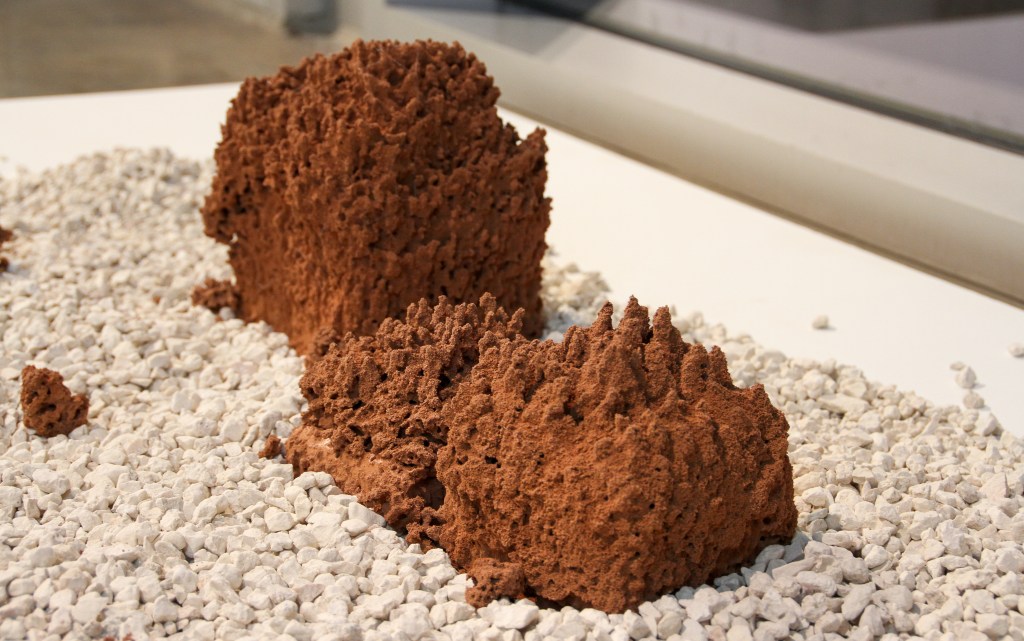
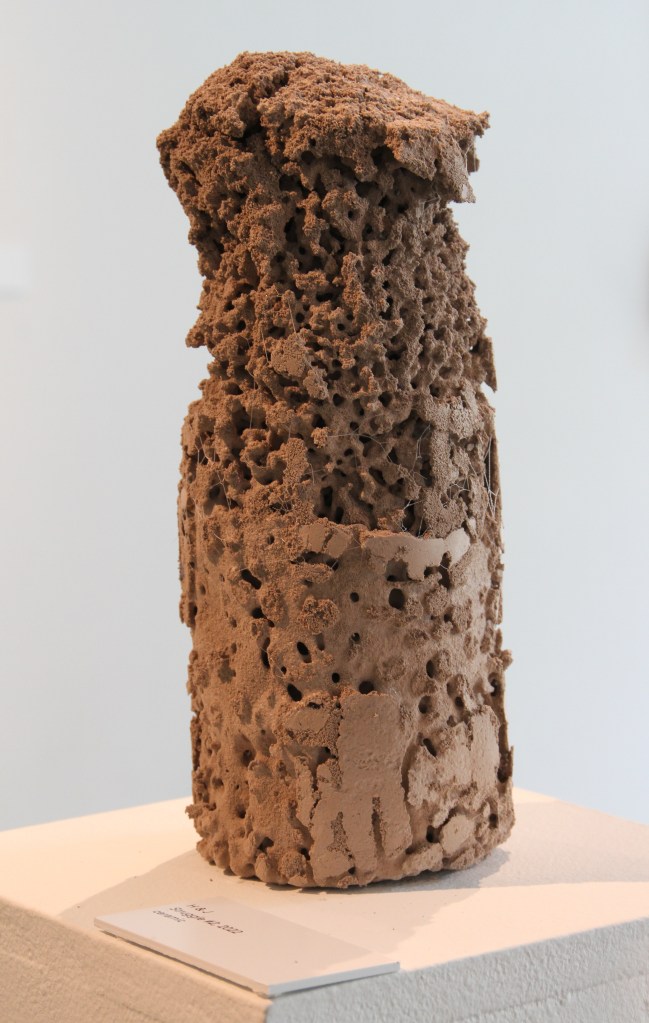
One Piece
In this work we seek to uncover the raw power of nature in the interplay between ants and man-made objects.
Placing cloth within an ant nest for a month, it riddled with holes from ant bites, excrement, and body surface residues.
Taking our exploration even further, we subjected the fabric to the elements, exposing it to Georgia’s scorching July weather, including nightly storms and relentless sunshine. After an additional 30 days, the fabric emerged tattered, brittle, and adorned with natural traces, culminating in what we call “One Piece.”
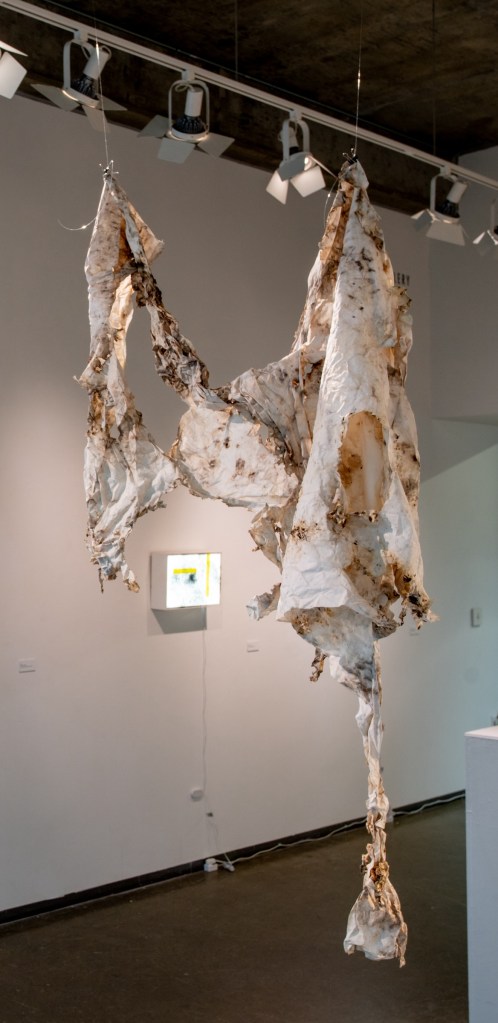
 H&J Studio